The learning experience
Learning Through Real-World Nursing
Clinical visits, simulation, and conversation become opportunities to ask why decisions are made. We connect practical skills with clinical reasoning, patient advocacy, and thoughtful action within each nurse’s professional role.
Emergency & disaster readiness
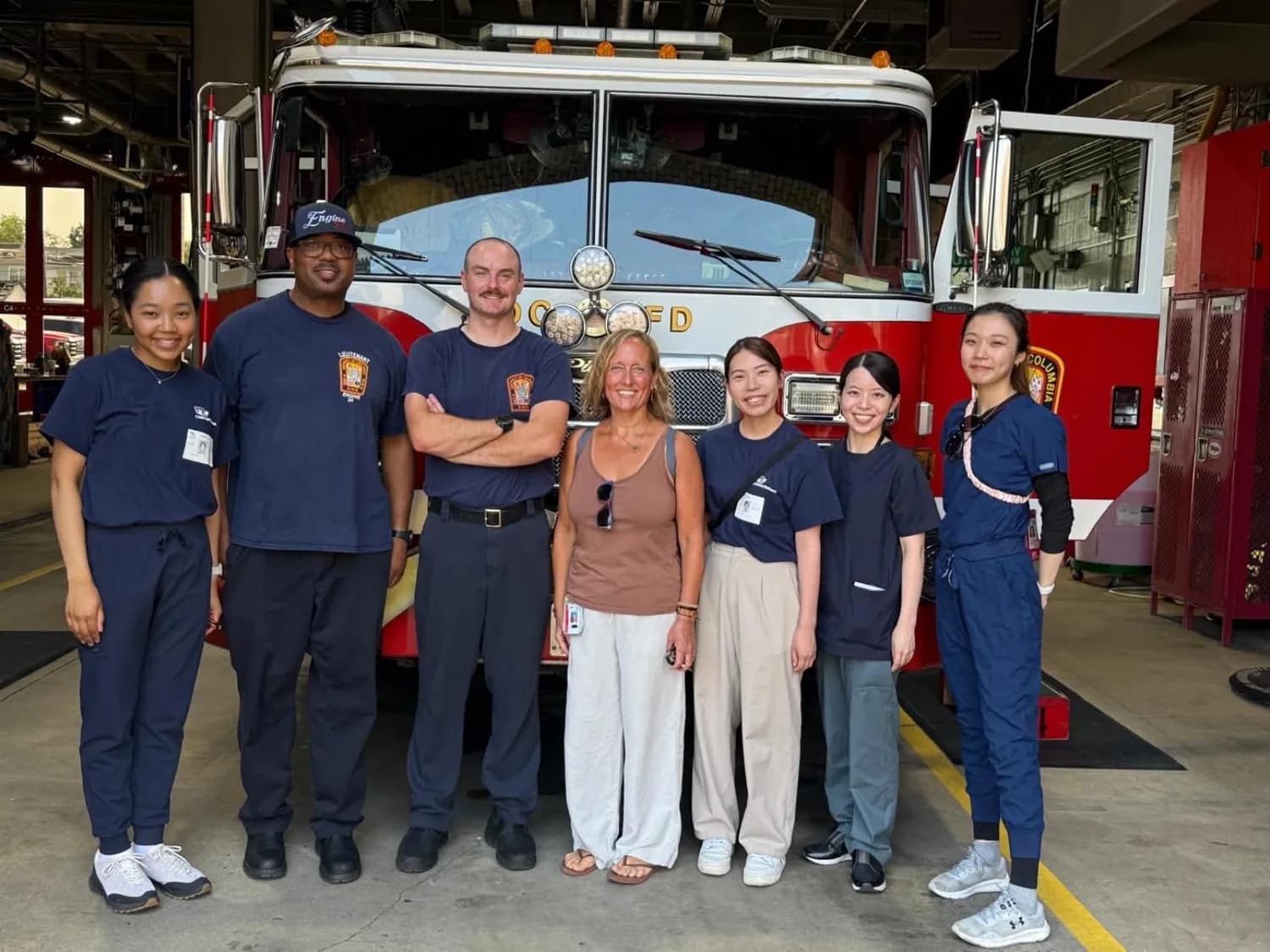
Explore triage, mass-casualty response, and disaster preparedness through shared experience and practical exercises. Compare approaches with an eye to local needs and healthcare settings.
Triage · Preparedness · Patient safety
Clinical skills & reasoning
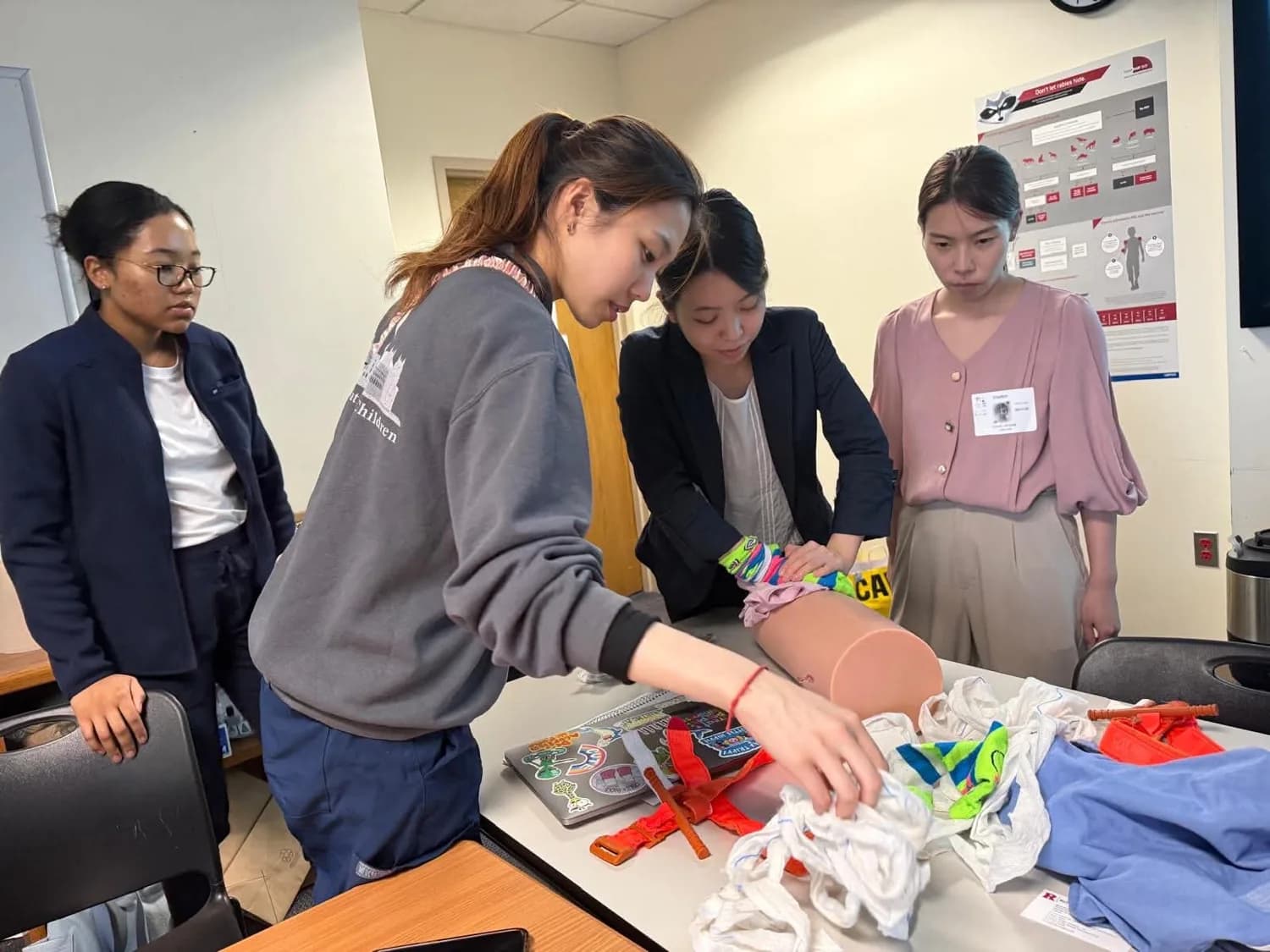
Connect hands-on simulation, bleeding-control training, and decontamination exercises with the reasoning behind assessment, care priorities, and communication.
Simulation · Clinical judgment · Reflection
Leadership & global exchange
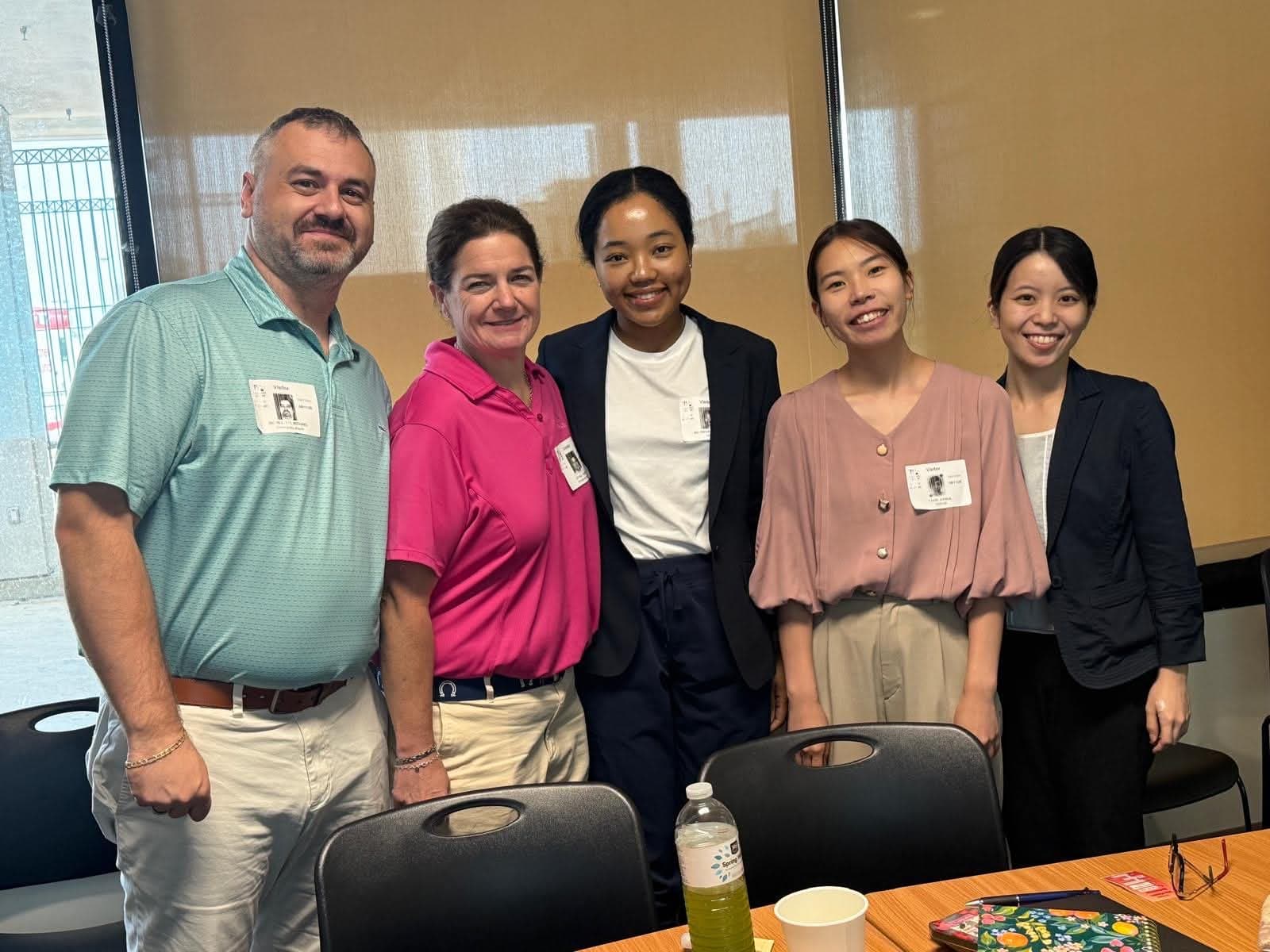
Explore how nurses advocate for patients, communicate concerns, and contribute to a team. Learn how leadership can adapt to different situations, with or without a formal leadership title.
Communication · Advocacy · Collaboration
How we learn
From observation to meaningful action.
Observe
Notice how care is delivered and ask why practices differ.
Reflect
Explore the reasoning behind decisions and what each setting can teach us.
Adapt
Consider which ideas fit local cultures, healthcare systems, and professional roles.
Act
Turn learning into teaching, collaboration, or an improvement to explore.
Clinical judgment & autonomy
Understand the decision. Build the confidence to act.
Nursing autonomy grows from knowledge, clinical skills, communication, and professional confidence. LBB encourages participants to connect compassionate care with sound clinical reasoning and appropriate action within their professional role.
- What is the nurse assessing, and which changes need attention?
- What are the care priorities, and what is the reasoning behind them?
- How are concerns communicated, and when is care escalated?
- How could these principles apply in your own clinical setting?
Developing the learning journey
Preparation. Experience. What comes next.
Drawing on participant feedback, LBB is developing a fuller learning journey around the clinical experience. These priorities guide future program development.
Before the program
Build a shared foundation
Before the program, participants will review key topics: healthcare systems, nursing roles, disaster nursing, triage, terminology for emergency and pediatric care, ECG interpretation, and cardiac fundamentals. Reflecting on care in their own settings will help them make meaningful comparisons during the program.
During the program
Observe with purpose
Clinical observation, simulation, and discussion connect what participants see with why decisions are made. Future development aims to deepen case-based reflection and explore leadership that responds to the needs of each team and situation.
After returning home
Carry the learning forward
After returning home, participants can share what they learned by teaching colleagues, leading workshops, mentoring others, and proposing ideas to improve patient safety. LBB hopes to support these efforts and learn how participants apply their experience in hospitals, schools, and communities.
Learning themes reflect documented LBB activities and educational goals. Contact the team about upcoming dates, duration, fees, and participation requirements.
Contact